
Burr Care
How to Clean Coffee Grinder Burrs (and Why It Actually Matters)
Taylor
4/18/20265 min read
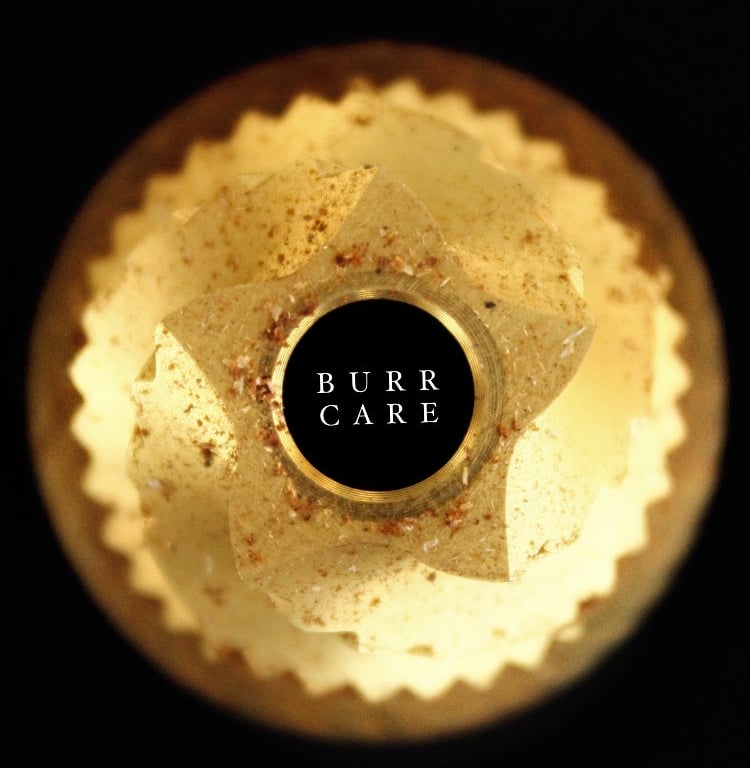
Cleaning coffee grinder burrs is one of those small, seemingly unimportant, details about brewing coffee that most people probably don't spend too much time thinking about it. I get it, all the fun is in grinding and brewing, no so much the cleaning part. Unfortunately, for people like me who hate cleaning, it's an important step that needs be incorporated in some shape or form.
Cleaning the burrs removes built-up oils, fines, and residue that degrade flavor, clog grind consistency, and shorten grinder lifespan. Even a thin layer of stale coffee oil can introduce bitterness, sourness, and muted aromas. For most home baristas, a quick dry clean every 2–4 weeks—and deeper cleaning occasionally—is enough to keep coffee tasting clean and expressive.
Like I said, people tend to overlook this step (and by "people" I definitely do not mean me when I was first getting started on my coffee journey. Nope, never). They overlook it right up until their coffee starts to taste “off” and they can’t explain why.
I’ve seen it happen more times than I can count. Someone upgrades beans, tweaks brew ratios, even blames their water… but the real culprit? A grinder that hasn’t been cleaned in months.
And once you notice it, you can’t un-taste it.
Why Dirty Burrs Ruin Your Coffee
Let’s break this down simply: coffee beans contain oils, and those oils don’t just disappear after grinding.
They stick. They coat. They oxidize.
Over time, those oils turn rancid—especially with darker roasts. That’s not just theory; it’s basic lipid oxidation. When exposed to air, heat, and time, those oils degrade and produce stale, bitter compounds.
Those oils coat your burrs, they trap fine particles (fines), and they create an oily layer that can even affects grind uniformity (if it's real bad!). Now you’re not grinding fresh coffee anymore—you’re grinding fresh coffee mixed with stale residue from weeks ago.
And here’s the kicker—this buildup of oil isn’t evenly distributed.
Some burr teeth get more coated than others, which means your grind size becomes inconsistent. That leads to uneven extraction: some particles over-extract (bitter), others under-extract (sour).
That “weird” cup you couldn’t dial in? Yeah… this is often why.
How Often Should You Clean Your Burrs?
It's debated on within the coffee community, plus there are some factors that come into play which could change the answer for each person. The short answer? Every 4 weeks for most situations. But the real answer is it depends on how often you use your grinder.
A more realistic rule of thumb:
Daily use (espresso): every 2 weeks
Moderate use (pour-over + aeropress): every 3–4 weeks
Switching beans: clean immediately
Oily/dark roasts: clean more often
Why clean immediately when switching beans? Well, if one moment you are using a chocolatey Brazilian then you switch to a bright Ethiopian without cleaning… you’re not really tasting the Ethiopian alone. You’re tasting a blend of both because there are still oils from the Brazilian which coated your burr.
How to Clean Your Burrs
Let me keep this practical. You don’t need fancy gear.
Step-by-step:
You should have a disassembly instruction which came with the grinder. Follow those instructions get access to the burr. If it's an electric grinder make sure to unplug it (don’t skip this please!)
Once the burr is exposed use a soft brush to brush away the loose grounds free. In most cases you won't need to wipe away the oils, the brush should be fine to pick up the oily residue. However, if you go longer between cleanings then you might consider doing a deeper clean. See next section.
Use a toothpick for stubborn crevices
Reassemble and run a small dose of beans to "season your burr". Wait, didn't we just clean it so that the oils are now wiped away? Yes, but remember, the oils itself are not the issue... it's old oils that we don't want. Coating your newly cleaned burr with fresh oils is a way to season it similar to how chefs cake on oil and spices to their cast iron skillet.
Honestly, most of the time, this is all you need to do. Nothing too crazy. For the brushes, I’ve personally used everything from dedicated grinder brushes to… an unused makeup brush I found in my wife's makeup hoard (love you babe!).
When Should You Deep Clean (Soap, Water, or Tablets)?
Like I mentioned above, most of the time you won't have to do this. A true deep cleaning is really only needed when:
Burrs feel oily to the touch
You’ve been using very dark roasts
There’s visible buildup that brushing won’t remove
You know that it's been months and months since the last dry clean
Options:
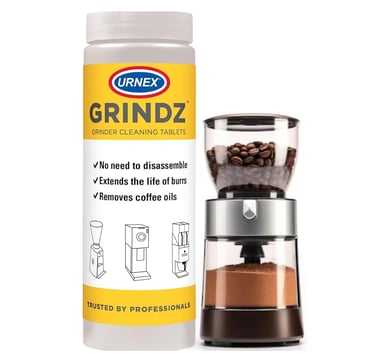
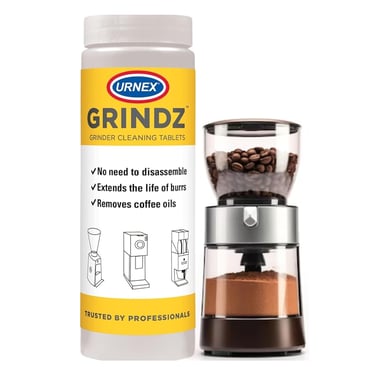
Grinder cleaning tablets (like Grindz, link below): safest, easiest
Light soap + water (manual burrs only): rare, but effective
Just remember if you are deep cleaning make sure to:
Dry completely (moisture = rust risk)
Make sure there isn't any residue from tablets on the burr (talk about a disgusting taste!)
Run beans afterward to re-season burrs
Burr Cleaning Recap
If you just want something simple to follow:
Clean burrs with brush every 4 weeks
Brush when switching beans
Deep clean only when oily buildup appears or after months of no dry clean
If using water and tablets make sure to clean off all moisture and tablet residue
Run beans after deep cleaning to season burr
Conclusion
At the end of the day, cleaning your burrs isn’t some obsessive coffee ritual—it’s basic maintenance that directly impacts what ends up in your cup. You can have great beans, solid technique, and a good grinder, but if you’re running everything through a layer of stale oils and trapped fines, you’re holding your coffee back. Keep the burrs clean, and everything else like flavor clarity, consistency, and even basic dialing in just becomes easier. It’s one of those small habits that quietly makes a big difference.
Frequently asked questions
Does cleaning burrs really improve coffee taste?
Yes. Cleaning removes rancid oils and old coffee particles that negatively impact flavor. Fresh burrs produce cleaner, brighter, and more accurate flavor profiles, especially noticeable in lighter roasts and espresso.
What’s the easiest way to clean burrs?
A simple dry brush cleaning is the easiest and safest method. Most maintenance can be handled without water or chemicals.
Can dirty burrs affect grind size?
Absolutely although you probably won't notice it unless it's really bad. Residue buildup changes how beans interact with burr teeth, leading to inconsistent particle sizes and poor extraction.
Do dark roasts make grinders dirtier?
Yes. Dark roasts release more surface oils, which stick to burrs and accelerate buildup.
Is it safe to use water on grinder burrs?
Yes, but only for removable burrs and only when necessary. Always dry thoroughly and re-season with coffee beans afterward.
Can I use rice to clean my grinder?
This used to be more common like 5+ years ago but more recently this has faded out. The fact is that it’s not recommended. Rice is harder than coffee and can damage burrs or strain the motor. Use proper cleaning methods instead. Not to mention some of the rice dust will then mix with your coffee grind. YUCK!
How do I clean my blade grinder?
Throw the whole thing in the trash and switch to a burr grinder. Thank us later.