
How to Store Coffee Properly: Let's Settle This
Freshness, Degassing, Oxygen, and Freezing
7/1/20266 min read
The Short Answer
Look, I am just going to cut to the chase here. But if you'd like to read the "whys" and "hows" feel free to hangout on this page for a while.
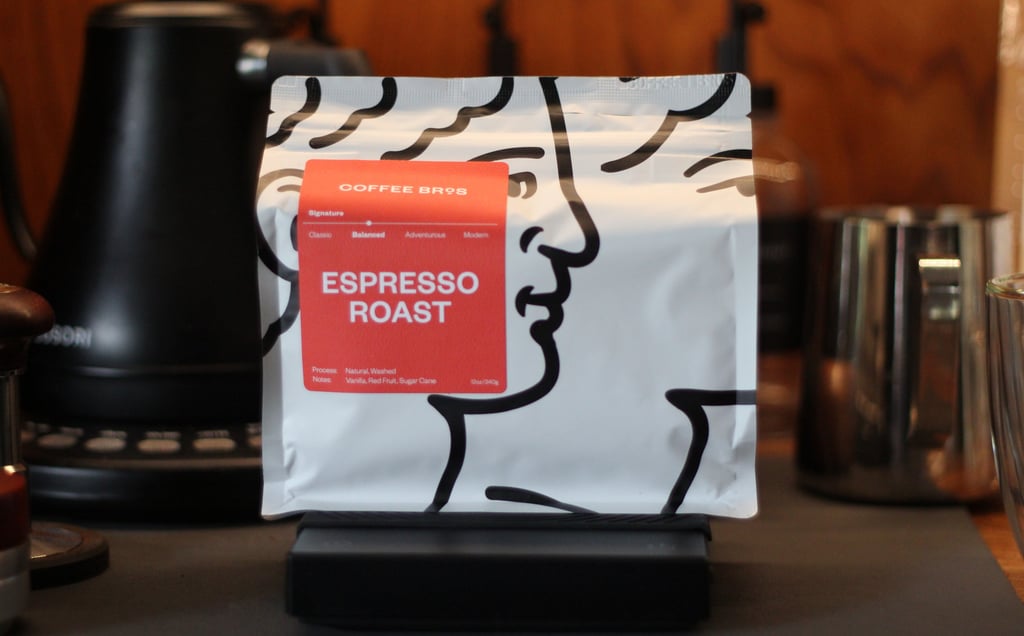
Here it is. The best way to store coffee is in its original sealed coffee bag with a one-way degassing valve, kept at room temperature in a cool, dark, and dry location. For coffee that will be consumed within a few weeks of opening, minimizing exposure to oxygen is more important than transferring it to a different container.
For longer-term storage, freezing vacuum sealed coffee can significantly slow staling. Whole bean coffee retains freshness much longer than ground coffee because less surface area is exposed to oxygen.
Why Coffee Goes Stale
Coffee does not spoil in the same way that fresh food spoils. Instead, it gradually loses aroma, flavor complexity, and sweetness through chemical reactions.
The primary cause of staling is oxidation.
When roasted coffee comes into contact with oxygen, hundreds of volatile aromatic compounds begin to break down. These compounds are responsible for many of the flavors and aromas associated with fresh coffee, including notes of chocolate, fruit, caramel, nuts, flowers, and spices.
Over time, oxidation causes:
Reduced aroma intensity
Flattened flavor
Increased bitterness
Loss of sweetness
Dull or woody tasting coffee
The process begins immediately after roasting and accelerates whenever coffee is exposed to fresh air.
Understanding Coffee Degassing
One of the most misunderstood aspects of coffee storage is degassing.
During roasting, coffee beans undergo complex chemical reactions. Large amounts of carbon dioxide become trapped within the bean structure.
After roasting, the coffee begins releasing this carbon dioxide into the surrounding environment.
This process is known as degassing.
Freshly roasted coffee can release significant amounts of CO₂ during the first several days after roasting, with degassing continuing at a slower rate for weeks afterward.
Why Degassing Matters
Degassing affects both storage and brewing.
If coffee is packaged immediately after roasting in a completely airtight container, pressure can build as CO₂ continues to escape from the beans. This is why specialty coffee roasters use bags equipped with one-way degassing valves.
These valves allow carbon dioxide to exit the package while preventing outside air from entering. Without this technology, freshly roasted coffee packaging could swell or even burst.
The Role of Carbon Dioxide in Coffee Freshness
Carbon dioxide does more than simply leave the coffee.
It also provides a degree of protection.
Freshly roasted beans contain high concentrations of CO₂, which partially displaces oxygen around the coffee. As degassing occurs, this protective effect gradually decreases. This means coffee becomes increasingly vulnerable to oxidation over time.
In simple terms:
Fresh coffee contains lots of CO₂.
CO₂ slowly leaves the beans.
Oxygen gradually replaces that space.
Oxidation increases.
Flavor quality declines.
This is one reason why proper storage becomes especially important after opening a bag.
Whole Bean vs Ground Coffee: Which Stays Fresh Longer?
Whole bean coffee remains fresh significantly longer than ground coffee.
The reason comes down to surface area. When coffee is ground, thousands of microscopic surfaces are exposed to oxygen simultaneously. This dramatically increases oxidation rates.
Whole Bean Coffee
Benefits:
Slower oxidation
Better aroma retention
Longer shelf life
More stable flavor compounds
Freshness window:
Typically several weeks after opening when stored properly
Ground Coffee
Challenges:
Rapid oxidation
Faster aroma loss
Reduced flavor stability
Freshness window:
Often begins losing noticeable aromatic quality within days of grinding
This is why coffee professionals consistently recommend grinding immediately before brewing whenever possible.
Is the Original Coffee Bag the Best Storage Option?
In many cases, yes.
High-quality specialty coffee bags are specifically engineered for coffee storage.
Most include:
Multi-layer oxygen-resistant materials
Light-blocking construction
Moisture barriers
One-way degassing valves
These features are designed to address the primary causes of coffee staling.
Why the One-Way Valve Matters
The valve allows carbon dioxide to escape while preventing oxygen from entering.
This creates an environment that is generally favorable for preserving freshness.
For coffee that will be consumed within a few weeks, keeping beans in the original bag is often an excellent storage solution.
The key is minimizing the amount of air remaining inside the bag after each use.
Many coffee enthusiasts accomplish this by:
Gently squeezing excess air out
Resealing the bag tightly
Storing it in a cool, dark cabinet
Are Vacuum-Sealed Coffee Containers Better?
Vacuum containers can provide advantages, but the answer depends on the design. Not all vacuum containers perform equally. The primary goal is reducing oxygen exposure.
A well-designed vacuum storage system removes or limits the oxygen surrounding the coffee after opening.
This can slow oxidation compared to repeatedly opening and closing a partially filled coffee bag.
Potential Advantages
Reduced oxygen exposure
Consistent storage environment
Additional protection from light
Protection from humidity
Potential Limitations
Coffee continues degassing
Some containers do not achieve meaningful vacuum levels
Frequent opening reintroduces oxygen
For coffee consumed daily, high-quality vacuum storage containers can help preserve freshness.
However, they are not necessarily a dramatic improvement over a properly sealed specialty coffee bag.
The difference is often smaller than many people expect.
The most important factor remains limiting oxygen exposure.
Coffee's Four Main Enemies
Coffee freshness is affected by four primary environmental factors.
1. Oxygen
Oxygen drives oxidation and flavor degradation.
This is the most significant factor affecting coffee freshness.
2. Heat
Higher temperatures accelerate chemical reactions.
Coffee stored near ovens, dishwashers, or sunny windows will stale more quickly.
3. Moisture
Coffee is hygroscopic, meaning it readily absorbs moisture from the surrounding environment.
Moisture can damage flavor and create undesirable conditions for storage.
4. Light
Ultraviolet light contributes to chemical degradation.
Opaque storage is preferable to clear containers exposed to sunlight.
Should Coffee Be Stored in the Refrigerator?
Generally, no.
Refrigerators contain moisture, food odors, and temperature fluctuations. Coffee readily absorbs surrounding aromas. As a result, coffee stored in a refrigerator may absorb odors from nearby foods.
Repeated movement between room temperature and refrigerated conditions can also create condensation concerns.
For most situations, room-temperature storage is preferable.
Should Coffee Be Stored in the Freezer?
Freezing is one of the most debated topics in coffee storage.
The scientific answer is nuanced.
The Benefits of Freezing
Low temperatures dramatically slow chemical reactions. This includes oxidation and many of the processes responsible for staling.
When coffee is frozen properly, freshness can be preserved far longer than at room temperature. Research and industry testing have shown that freezing can be highly effective for long-term coffee storage.
When Freezing Makes Sense
Freezing is particularly useful when:
Coffee will not be consumed within several weeks
Large quantities are purchased at once
Rare or expensive coffees are being preserved
Multiple bags are stocked for future use
In these situations, freezing can significantly extend freshness.
How to Freeze Coffee Correctly
The key is preventing moisture and repeated temperature cycling.
Best practices include:
Divide coffee into smaller portions.
Use airtight packaging.
Freeze only what will not be used soon.
Remove a portion only when needed.
Allow sealed coffee to return to room temperature before opening.
Keeping coffee sealed while warming prevents condensation from forming on the beans.
The Biggest Mistake: Repeated Freeze-Thaw Cycles
Repeatedly removing coffee from the freezer and returning it creates unnecessary exposure to moisture and temperature changes.
This can accelerate degradation rather than prevent it.
For this reason, freezing an entire bag that is opened daily is generally less effective than freezing individual portions.
What Is the Best Way to Store Coffee?
The ideal storage method depends on how quickly the coffee will be consumed.
SituationRecommended Storage MethodCoffee consumed within 2–4 weeksOriginal coffee bag with one-way valveDaily use after openingOriginal bag or quality vacuum containerLong-term storageAirtight freezer storageRare or expensive coffeesPortion and freezeGround coffeeUse quickly and minimize oxygen exposure
Best Practices for Maximum Coffee Freshness
For most coffee enthusiasts, the following approach offers the best balance of simplicity and freshness:
Buy whole bean coffee whenever possible.
Store coffee in a cool, dark, dry location.
Keep coffee in its original valve-equipped bag.
Remove excess air before resealing.
Grind immediately before brewing.
Use vacuum storage if desired to reduce oxygen exposure after opening.
Freeze only coffee intended for longer-term storage.
Avoid refrigerators.
Minimize oxygen exposure at every stage.
Final Thoughts
Coffee freshness is largely a matter of chemistry.
The interaction between carbon dioxide, oxygen, temperature, moisture, and time determines how quickly coffee loses its flavor and aroma.
Freshly roasted coffee naturally degasses, releasing carbon dioxide while gradually becoming more vulnerable to oxidation. This is why specialty coffee bags use one-way valves and why oxygen management remains the central principle of effective coffee storage.
For most people, storing whole bean coffee in its original valve-equipped bag inside a cool, dark cabinet is an excellent solution. For longer-term preservation, freezing properly packaged coffee can substantially slow staling and help maintain quality for months.
The most important takeaway is simple: protect coffee from oxygen, heat, moisture, and light, and it will retain its freshness significantly longer.
If you've read this far then you may be interested in bagging your own coffee, especially if your buying beans in bulk. See link below for one-way valves on amazon!