
The Neuroscience of Coffee: Why Caffeine Makes You Feel Alert
Discover how caffeine affects the brain and boosts alertness
6/10/20263 min read
Okay, let's get nerdy for a sec. When I'm not spending hours on coffee content, odds are I am at work. Without getting into specifics I have something of a biochemistry background. I spend hours of my day looking at structures and reading about how chemicals interact with each other. So when I write about this just know it comes from a place of unmitigated geekiness.
Coffee is more than just a comforting morning routine—it’s a powerful chemical experience happening inside your brain. That familiar feeling of clarity after your first sip isn’t just psychological; it’s a fascinating interaction between caffeine and your brain’s natural chemistry.
To understand why coffee makes you feel alert, we need to start with a compound called adenosine. Throughout the day, your brain steadily produces adenosine as a byproduct of energy use. The more it builds up, the more it binds to receptors that signal fatigue, slowing down neural activity and making you feel sleepy. It’s essentially your brain’s way of saying, “You’ve done enough—time to rest.”
Caffeine steps in as a clever impostor. Its molecular structure is similar enough to adenosine that it can bind to the same receptors—but without activating them. Instead of slowing things down, it blocks adenosine from doing its job. The result? Your brain doesn’t receive the “tired” signal, and you feel more awake than you actually are.
But caffeine doesn’t stop there. By blocking adenosine, it indirectly increases the activity of stimulating neurotransmitters like dopamine and norepinephrine. This is why coffee doesn’t just wake you up—it can also improve mood, sharpen focus, and even enhance reaction time. It’s not creating energy, though. It’s simply amplifying alertness by removing the brakes your brain naturally applies.
How long this effect lasts depends on something called caffeine’s half-life, which averages around five hours. That means if you drink a cup of coffee at 2 p.m., roughly half of that caffeine could still be in your system by 7 p.m. For some people, it lingers even longer, which explains why late-day coffee can quietly interfere with sleep quality.
A major factor behind this variation is an enzyme in your liver called CYP1A2. This enzyme is responsible for breaking down caffeine, and its activity is largely determined by genetics. Some people are “fast metabolizers,” processing caffeine quickly and feeling fewer side effects. Others are “slow metabolizers,” meaning caffeine sticks around longer, increasing the likelihood of jitters, anxiety, or disrupted sleep. This is why one person can drink espresso after dinner and sleep fine, while another feels wired for hours after a single cup.
There’s also an important catch to caffeine’s benefits: they’re temporary. Because caffeine only blocks adenosine rather than reducing it, the underlying fatigue doesn’t disappear—it’s just delayed. When caffeine wears off, adenosine can rush back in, sometimes leading to that familiar energy crash.
Over time, your brain adapts. Regular caffeine consumption leads to an increase in adenosine receptors, which means you need more caffeine to achieve the same level of alertness. This is the foundation of caffeine tolerance—and why skipping your usual coffee can leave you feeling sluggish or even give you a headache.
In the end, caffeine’s effect on the brain is a balance between biology and behavior. It’s a remarkably effective tool for boosting alertness, but it works best when used strategically. Understanding how it interacts with adenosine, how long it stays in your system, and how your body metabolizes it can help you get the most out of every cup—without the unwanted side effects.
- Taylor
If high caffeine is what you are looking for in coffee, any species of robusta coffee will be able to get you that fix. However if you are like me and want the high caffeine but prefer the taste of arabica you can always get in your caffeine by other means. One of my favorite ways to get a boost of caffeine is with Neurogum. This isn't a paid ad, I genuinely love that product. As an amazon associate I will include a link below that takes you right to it. https://amzn.to/4sgcUL9

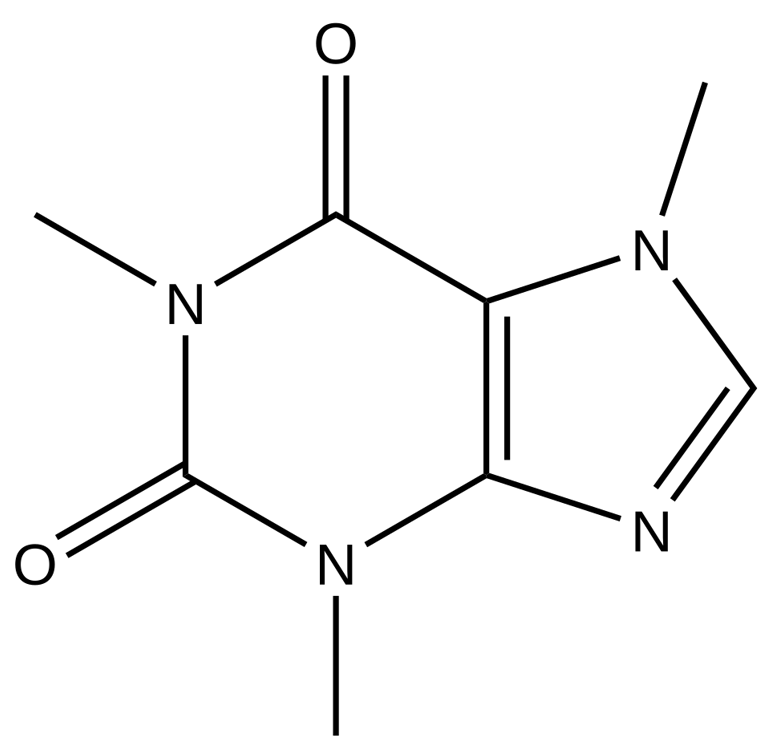
Caffeine