
The Truth About Espresso Crema
What It Is, Why It Exists, and Why Coffee Experts Disagree About It
Taylor
5/13/20267 min read
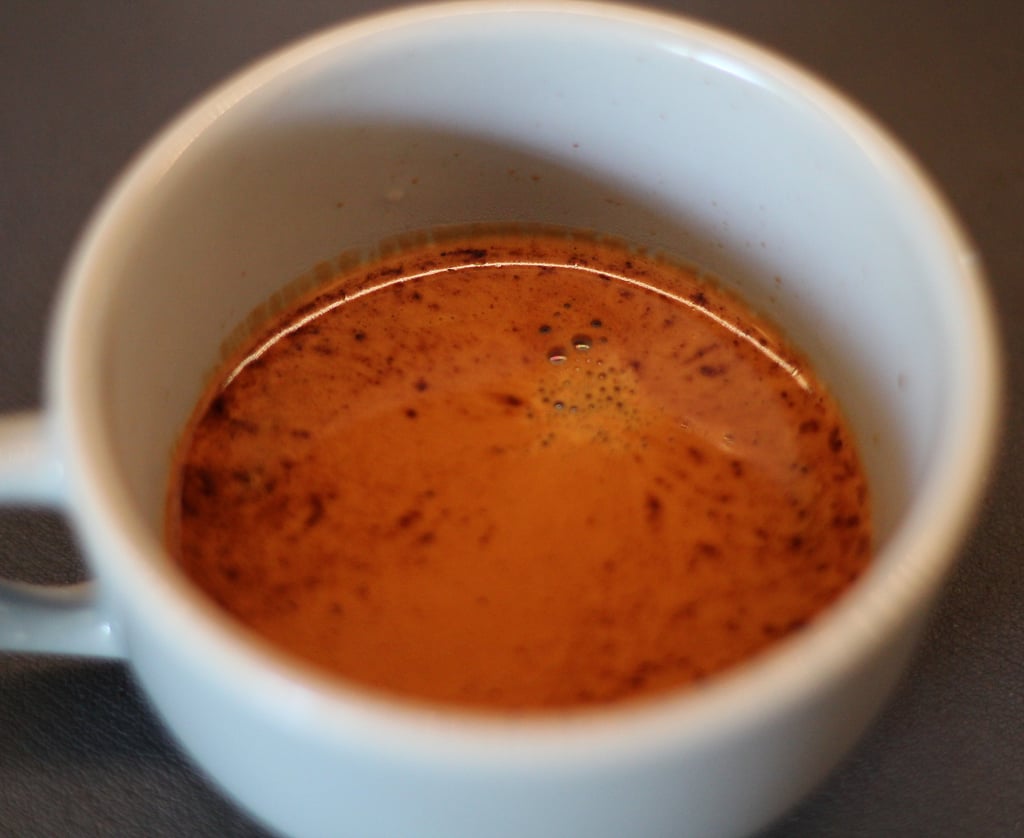
If you’ve ever watched a fresh espresso pour from a machine, you’ve probably noticed the rich golden-brown layer that settles on top of the shot. That layer is called crema, and for many people, it has become the defining symbol of espresso itself. Coffee advertisements obsess over it. Baristas photograph it. Customers judge espresso by it. Entire generations of coffee drinkers were taught that thick crema automatically means better coffee.
But that's not necessarily true and crema is far more complicated than most people realize.
Behind that thin layer of foam is an incredible combination of chemistry, pressure, heat, gas, oils, extraction physics, and roasting science. Crema can reveal important information about espresso extraction, but it can also be misleading. Some outstanding espresso shots produce surprisingly modest crema, while some mediocre coffees create massive amounts of it. In modern specialty coffee, crema is no longer viewed as the ultimate measure of quality. Instead, it’s understood as one part of a much larger picture.
To really understand espresso, you have to understand crema.
What Exactly Is Crema?
Crema is the reddish-brown foam that forms on top of espresso immediately after brewing. Technically, it’s a suspension of microscopic carbon dioxide bubbles mixed with coffee oils, proteins, suspended coffee particles, dissolved solids, and compounds created during roasting called melanoidins. Those melanoidins are responsible for many of the deep brown colors and roasted flavors associated with coffee.
The easiest way to think about crema is to imagine espresso as a highly pressurized liquid emulsion. Espresso machines brew coffee under roughly nine bars of pressure, which forces hot water through finely ground coffee at tremendous force. Under that pressure, carbon dioxide trapped inside the coffee dissolves into the liquid. At the same time, oils become emulsified and tiny suspended particles are incorporated into the shot.
The moment espresso exits the portafilter spouts, pressure suddenly drops. That rapid pressure release causes the dissolved carbon dioxide to expand violently into tiny bubbles. Coffee oils and proteins stabilize those bubbles, allowing crema to form on the surface.
In some ways, crema behaves similarly to the foam on beer or champagne bubbles, although espresso crema contains far more oils and dissolved solids. It’s one of the reasons espresso feels so rich and textured compared to regular brewed coffee.
Why Espresso Produces Crema but Drip Coffee Does Not
One of the biggest reasons espresso feels unique is because of crema, and the reason espresso creates crema while drip coffee does not comes down almost entirely to pressure.
Traditional brewed coffee methods like pour-over, drip machines, or French press simply do not create enough pressure to force gases and oils into stable emulsions. Espresso machines do. That pressure changes the chemistry of extraction entirely. The water dissolves gases, emulsifies oils, and creates microscopic suspended particles that simply don’t exist in the same way in regular coffee brewing.
Without pressure, there is no crema. That’s why espresso has such a visually distinct appearance compared to every other brewing method.
These other brewing methods still produce a releasing of CO₂ (forshadowing for the next section) and this is best seen in pour-over during the blooming step, but still, without the pressure it won't look nearly as pretty as espresso.
The Role of Carbon Dioxide
The carbon dioxide responsible for crema is created during roasting. As coffee beans roast, enormous chemical reactions occur inside the bean structure. Sugars caramelize, moisture evaporates, internal pressure rises, and gases begin forming within the cellular structure of the coffee.
Freshly roasted coffee contains a surprising amount of trapped CO₂. Over time, that gas slowly escapes through a process known as degassing. This is one reason freshness dramatically affects crema production.
Fresh coffee typically creates more crema because it contains more trapped gas. Older coffee creates less crema because much of the carbon dioxide has already escaped. However, there’s an important nuance here that many people misunderstand: coffee can actually be too fresh for espresso.
Extremely fresh coffee, especially coffee only one or two days off roast, often contains excessive gas. During extraction, that excess CO₂ can disrupt water flow, cause channeling, create unstable crema, and produce sharp or uneven flavors. This is why many specialty coffee roasters recommend allowing espresso beans to rest for several days before use. Medium roasts often perform best after about five to fourteen days of rest, while lighter roasts may continue improving for several weeks.
What Does Crema Taste Like?
This surprises many people the first time they try it intentionally: crema by itself is often fairly bitter.
If you scoop crema off the top of espresso with a spoon and taste it separately, you’ll usually notice bitterness, dryness, smokiness, and slight astringency. That’s because crema concentrates many of espresso’s bitter compounds, including certain phenolics and darker roast compounds.
This is one reason professional tasters frequently stir espresso before drinking it. Stirring redistributes the crema into the liquid below, balancing flavor and often increasing perceived sweetness. Espresso can taste surprisingly uneven if left unstirred because the crema layer sits on top of the denser liquid underneath. Ironically, I used to be a purist in this topic and believed the best way to drink espresso is completely undisturbed...forgive me, I've grown sense then.
It's true that well-extracted crema can still contain pleasant flavors. Depending on the roast and extraction, it may contribute notes of caramel, nuts, dark chocolate, or toasted sugar. But generally speaking, crema leans more bitter than sweet.
*gasps*
How Roast Level Changes Crema
Roast level dramatically changes the appearance, texture, flavor, and stability of crema.
Dark roasts usually create thicker and darker crema initially. The foam tends to appear dramatic and highly visible, often with large bubbles and deep brown coloration. This happens because darker roasting expands the bean structure, pushes oils toward the surface, and changes the solubility of the coffee. Dark roasts also degas more rapidly, which influences crema formation.
The downside is that dark roast crema often tastes smokier, harsher, and more bitter. While it may look visually impressive, it doesn’t necessarily indicate superior espresso quality.
Medium roasts are often considered the sweet spot for espresso because they balance gas retention, oil development, sweetness, and extraction efficiency. Crema from medium roasts tends to have a fine texture and a warm hazelnut color that many people associate with classic espresso.
Light roasts behave differently. They typically produce less crema volume, lighter coloration, and finer bubbles. Because lighter roasts retain denser cellular structures and less surface oil, their extraction characteristics change significantly. Modern specialty coffee shops that use lighter roasts are often prioritizing clarity, sweetness, acidity, and fruit character rather than maximizing crema appearance.
Arabica vs. Robusta
Another major factor in crema production is the species of coffee itself.
Robusta coffee naturally creates much more crema than arabica. Traditional Italian espresso blends often include robusta specifically because of its ability to generate thick, long-lasting foam. Robusta contains higher protein content and different oil compositions that help stabilize crema more aggressively.
However, that comes with flavor tradeoffs. Robusta often introduces harsher bitterness, woody flavors, earthy notes, or rubber-like characteristics that many specialty coffee professionals dislike.
Arabica, on the other hand, generally produces finer and less aggressive crema but offers more sweetness, aroma, and complexity. That’s one reason modern specialty coffee overwhelmingly favors arabica despite its more restrained crema production.
Crema Color and What It Can Tell You
Experienced baristas can often learn a lot from the appearance of crema. Pale or blonde crema may suggest underextraction, insufficient pressure, low brewing temperature, or overly coarse grinding. Espresso with pale crema often tastes sour or thin.
Very dark crema can sometimes indicate overextraction, excessively dark roasting, or brewing temperatures that are too high. These shots often taste bitter, dry, or hollow.
An evenly colored crema with fine bubbles and warm golden-brown tones generally suggests balanced extraction, although appearance alone is never enough to fully judge espresso quality.
Tiger Striping and Espresso Appearance
One of the most visually admired characteristics of crema is something called tiger striping. This refers to the streaks and mottled patterns that appear in espresso during extraction. The patterns form because oils and suspended solids distribute unevenly as the shot pours.
Good tiger striping can indicate freshness and proper extraction, but it has also become somewhat romanticized in coffee culture. Beautiful tiger striping does not automatically guarantee delicious espresso. It’s possible for visually stunning shots to taste mediocre and vice versa.
Temperature’s Effect on Crema
Temperature has a major influence on crema because it affects gas solubility, extraction rate, oil viscosity, and bubble stability.
Higher brewing temperatures generally increase extraction while reducing gas solubility. As a result, hotter espresso may produce darker crema that dissipates more quickly and tastes more bitter. Excessively high temperatures can thin out crema entirely.
Lower temperatures preserve gases longer and create thicker, lighter-colored crema, but they also increase the risk of underextraction and sour flavors.
Most espresso is brewed between 195 and 205 degrees Fahrenheit, although many baristas adjust temperatures depending on the roast level. Light roasts often require slightly hotter temperatures for proper extraction, while dark roasts usually perform better at slightly lower temperatures.
The Relationship Between Crema and Latte Art
Crema plays an enormous role in latte art. Without crema, latte art would lose much of its visual contrast and definition.
The dark crema layer essentially acts as a canvas for milk patterns. When textured milk is poured into espresso, the microfoam pushes and folds the crema outward, creating hearts, tulips, and rosettas through surface tension and flow dynamics.
Good crema creates strong contrast and allows patterns to remain crisp and visible. However, too much crema can actually interfere with latte art because the milk struggles to penetrate the surface properly. Too little crema reduces contrast and makes designs appear washed out.
This is one reason medium roasts are often preferred in cafés focused heavily on milk drinks. They tend to create balanced crema that works especially well for latte art.
Why More Crema Does Not Necessarily Mean Better Espresso
Perhaps the biggest misconception in coffee culture is the idea that more crema automatically means better espresso.
In reality, some of the thickest crema comes from robusta-heavy blends, extremely dark roasts, very fresh coffee, or pressurized brewing systems that artificially exaggerate foam production. Superautomatic espresso machines sometimes create what professionals call “false crema,” producing thick foam through turbulence and pressure manipulation rather than truly balanced extraction.
Meanwhile, some of the best espresso in the world may produce relatively modest crema because the focus is on sweetness, clarity, balance, and flavor complexity rather than visual spectacle.
Modern specialty coffee increasingly treats crema as a byproduct of espresso physics rather than the ultimate marker of quality.
Why Espresso Changes So Quickly
Espresso is remarkably unstable. The moment extraction finishes, the shot immediately begins changing. Aromatics start escaping, oxidation begins, and crema slowly collapses. This is why espresso tastes noticeably different seconds after brewing compared to several minutes later. This is why you hear baristas talk about espresso shots "expiring".
Crema initially helps trap aromatic compounds, but that effect is temporary. Over time, aromas dissipate and flavors shift rapidly. This volatility is part of what makes espresso both difficult and fascinating.
The Real Truth About Crema
Crema is beautiful. It’s scientific, complex, aromatic, and deeply connected to espresso’s identity. It tells a story about pressure, roasting, extraction, freshness, oils, and gas.
But crema alone is not what makes espresso great.
The best espresso is ultimately judged by flavor: sweetness, balance, texture, clarity, aroma, and overall experience. Crema can support those qualities, but it cannot replace them.
A beautiful layer of crema is wonderful to look at. But delicious espresso is what truly matters.
-Taylor
Sources
Andrea Illy & Rinantonio Viani — Espresso Coffee: The Science of Quality
Scott Rao — The Professional Barista’s Handbook
James Hoffmann — The World Atlas of Coffee
David Schomer — Espresso Coffee: Professional Techniques