
Understanding Coffee Grind Size: Surface Area and Brewing Science
Unlocking Better Coffee Flavor
5/20/20263 min read
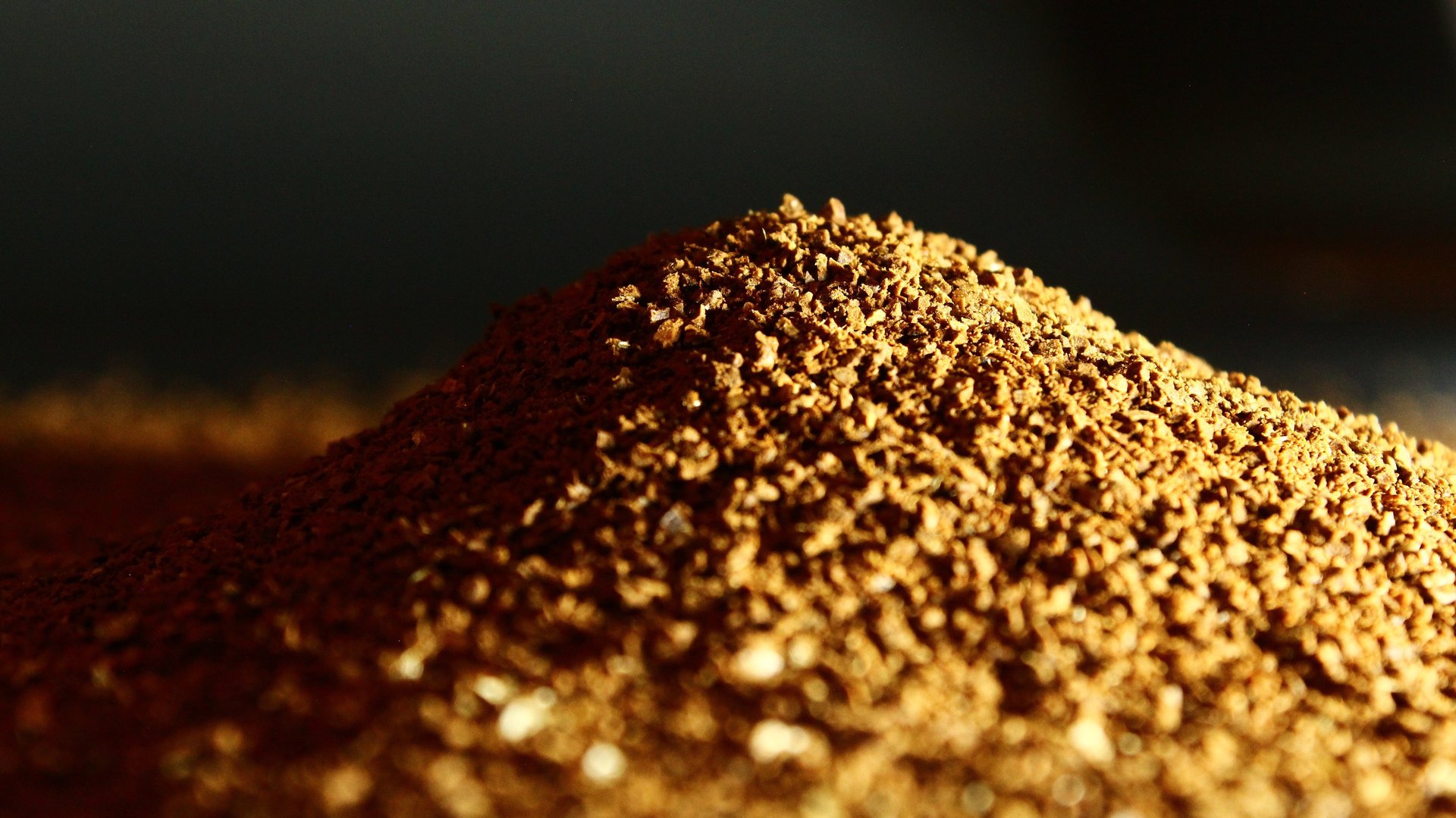
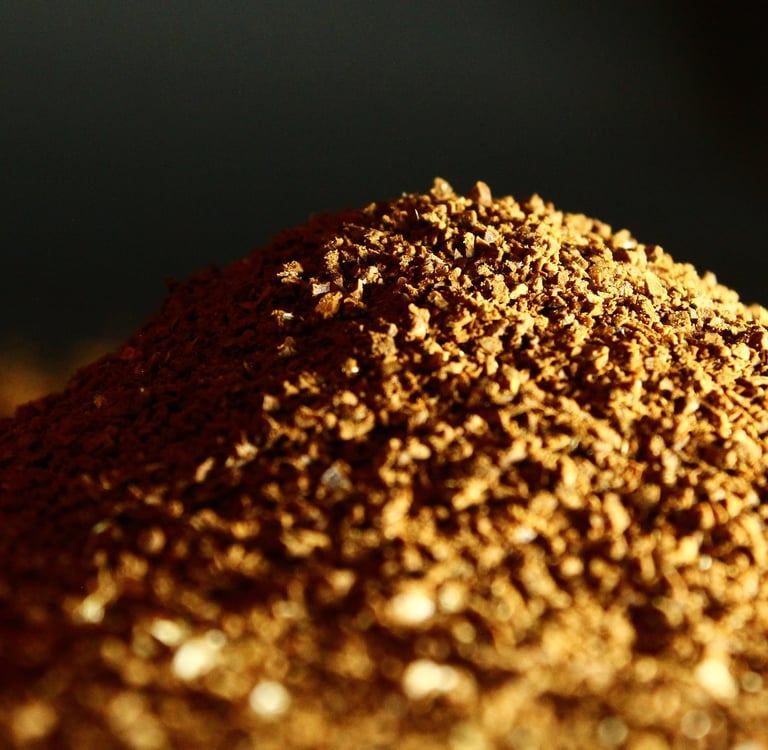
Coffee Grind Size
Grind size is one of the most powerful yet overlooked factors in brewing great coffee. While beans, water quality, and brewing methods all matter, the size of your coffee grounds directly controls how flavor is extracted. From bold espresso shots to smooth French press brews, understanding grind size can dramatically improve your cup. At the core of this process lies a simple concept: surface area.
Before diving deeper into surface area however, we need to discuss coffee extraction. Coffee extraction is the process of dissolving flavor compounds from ground coffee into water. These compounds include acids, sugars, oils, and bitter elements such as caffeine, all of which contribute to the final taste. A well-extracted cup is balanced. Under-extraction results in sour, weak coffee, while over-extraction leads to bitterness and harshness. Grind size plays a key role in controlling this balance.
The Role of Surface Area in Coffee Brewing
When coffee beans are ground, their surface area increases. This allows water to interact more efficiently with the coffee particles. A finer grind creates more surface area, which means more of the acids, sugars, and other soluble particles are exposed to the water. This leads to a stonger extraction and ultimately makes extraction time significantly lower. In contrast, a coarser grind has less surface area, making the time it takes to get a decent extraction much longer.
How Grind Size Affects Flavor
Fine Grind (High Surface Area)
Fine coffee grounds extract quickly, producing strong and intense flavors. This is ideal for methods like espresso, where brew time is very short. However, if the grind is too fine, it can lead to over-extraction, resulting in a bitter and dry taste. Espresso grind size is typically fine but you can grind too fine, such as grinding to a powder. One would only need to go this far if brewing a turkish coffee.
Coarse Grind (Low Surface Area)
Coarse grounds extract more slowly, creating a lighter and smoother flavor profile. This works well for longer brewing methods like French press. If the grind is too coarse, though, the coffee may taste weak or sour due to under-extraction.
The goal is to match grind size with brew time. A balanced extraction ensures that all desirable flavors are properly developed without overpowering bitterness or acidity. This typically take several phases of trial and error. Relentless tweaking of clicks on your grinder, adding or removing beans on your scale by a fraction of a gram, or experimenting with total volume of water to use in your brewing method. With so many things to consider I often use a notepad to keep track of all the teaks. It can get tedious but I think coffee enthusiasts deep down have learned to love the troubleshooting. Even if they refuse to admit it.
Matching Grind Size to Brewing Methods
Coarse
Best for French press and cold brew. These methods involve long steeping times, so a coarse grind prevents over-extraction.
Medium
Ideal for drip coffee makers. It offers a balanced extraction rate, making it one of the most versatile grind sizes.
Medium-Fine
Commonly used for pour-over methods like V60 or Chemex. It allows for controlled water flow and clean, nuanced flavors.
Fine
Required for espresso and Moka pots. The short brew time and pressure demand a high surface area for proper extraction.
Extra Fine (Powder)
Most commonly used in brewing methods such as Turkish Coffee or Kopi tubruk.
Conclusion
It all seemed so overwhelming when I first joined the coffee community. There are so many rules, when do I grind fine? When do I grind coarse? How long should I extract for? How much water do I use? So many questions and it seemed like I needed to memorize the answer to each one. Then I learned this fact about surface area and realized I don't need to memorize a single thing as long as I understood this concept.
The more surface area you have the less time it will take to get a full extraction. Keep that in mind when experimenting.
-Taylor
Medium-Coarse